

YOU NEED CONTENT. LET’S MAKE IT WORTH SEEING.
HOW I WORK
Great content starts before we make it.
I make great content. But great execution only matters if we’re making the right thing.
So before we start, I spend time understanding what you’re trying to accomplish, who we’re trying to reach and what we want them to think, feel or do.
That little bit of thinking up front shapes the idea, the message and the execution — and gives the work a much better chance of actually working.
Then we make something worth seeing.
SELECTED WORK
Some things I’ve helped build.
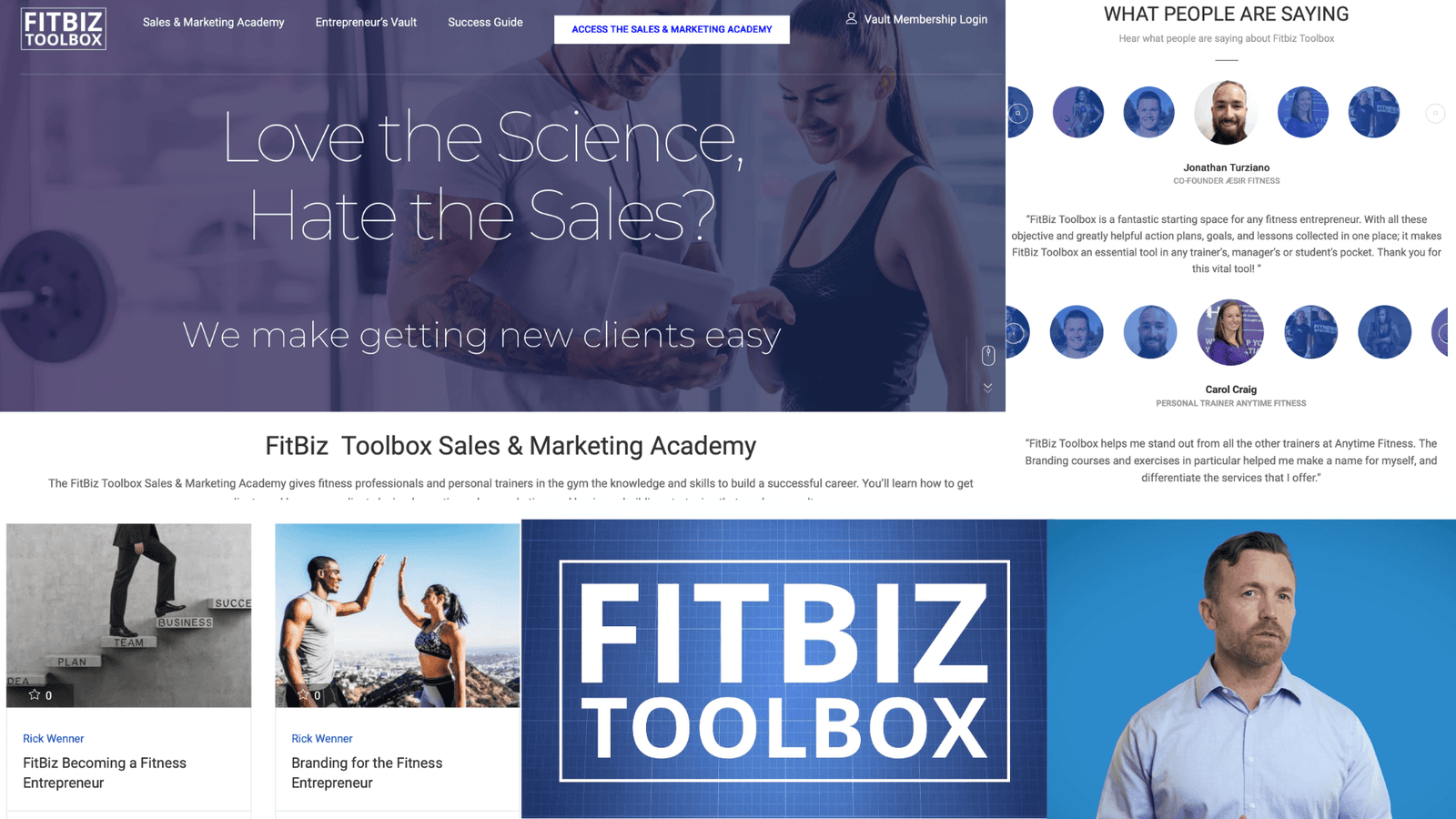
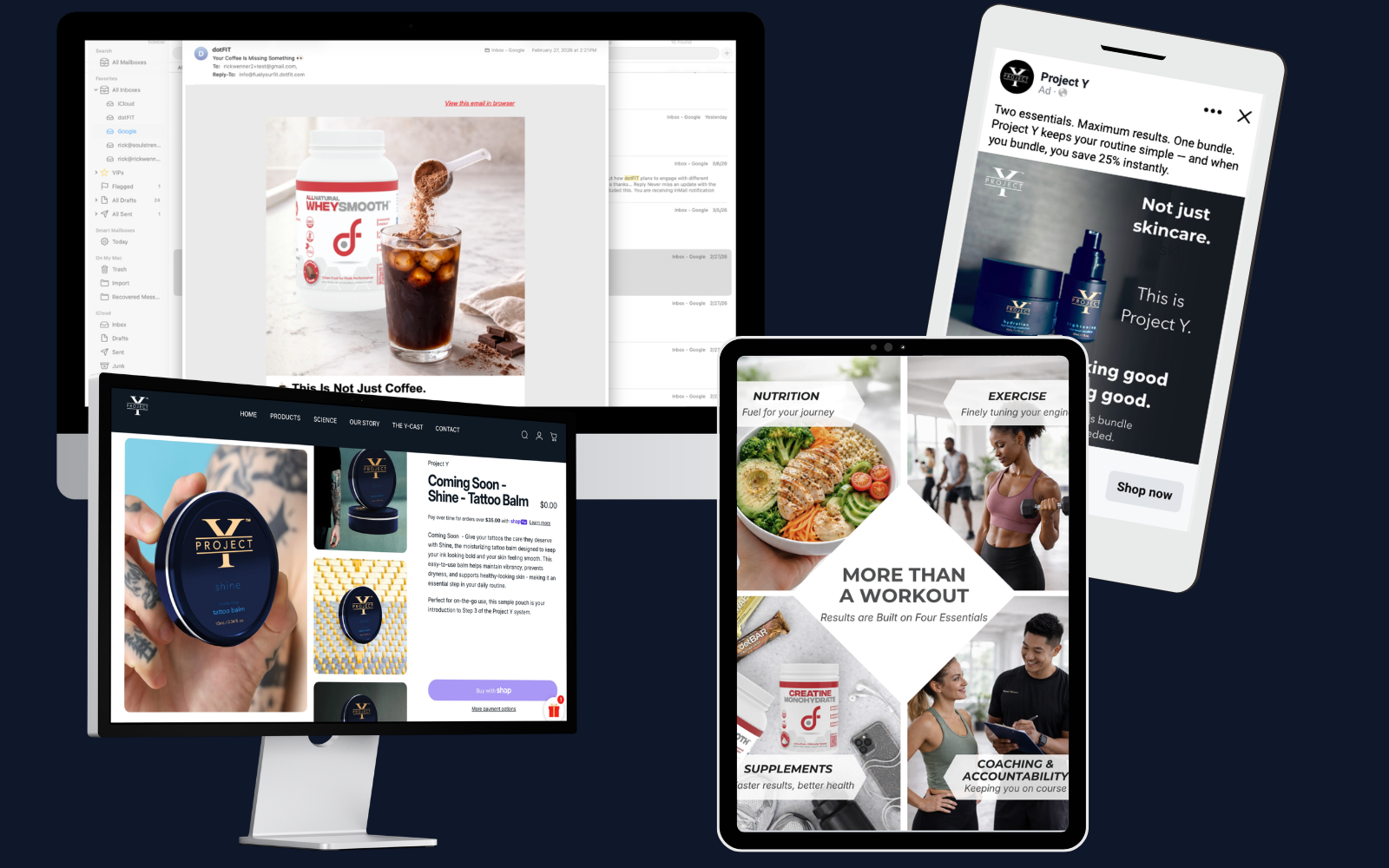
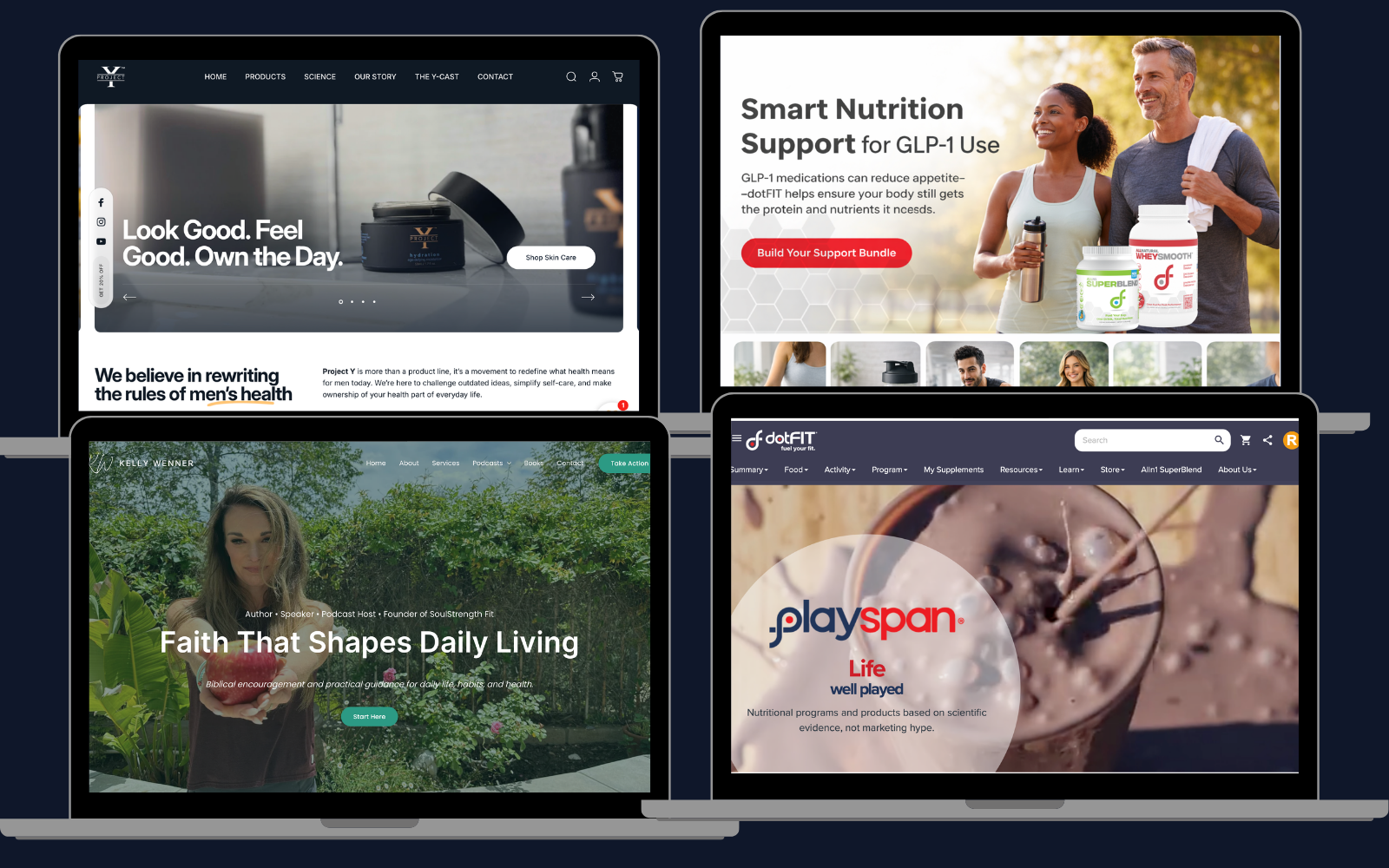
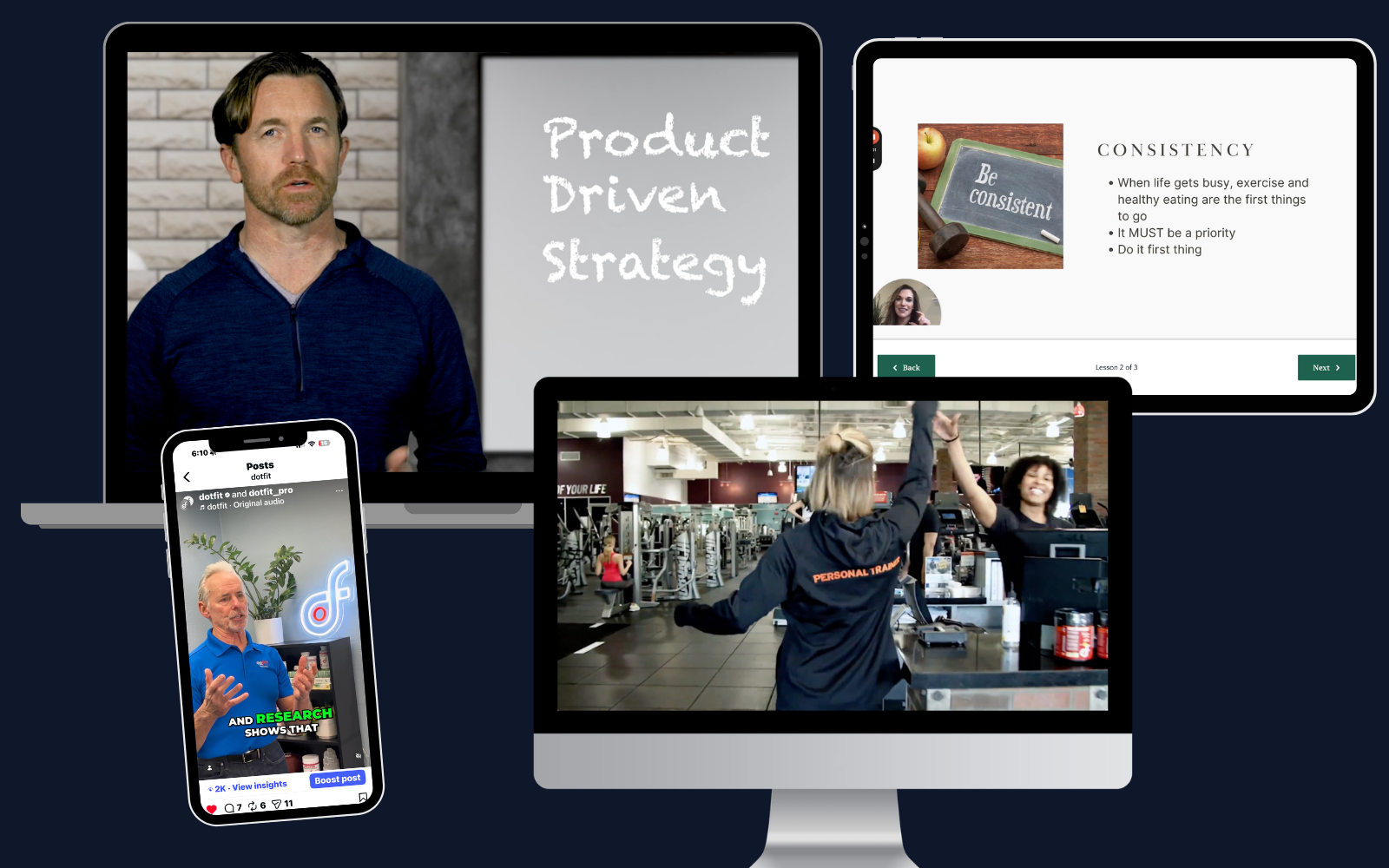
Brand work, campaigns, product stories, education, websites, content and more. The work changes. The job is usually the same: make something useful, make it clear and get it into the world.
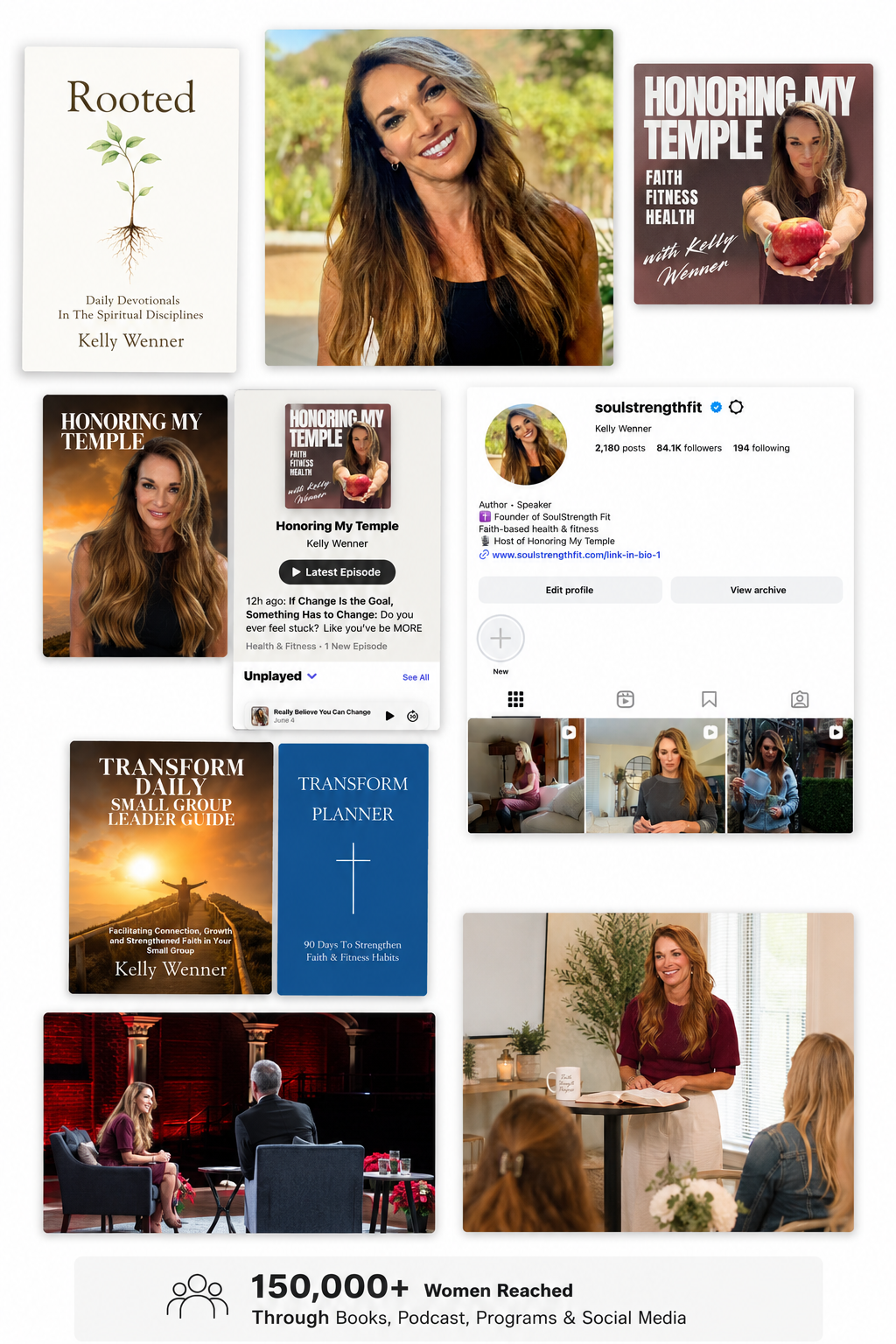
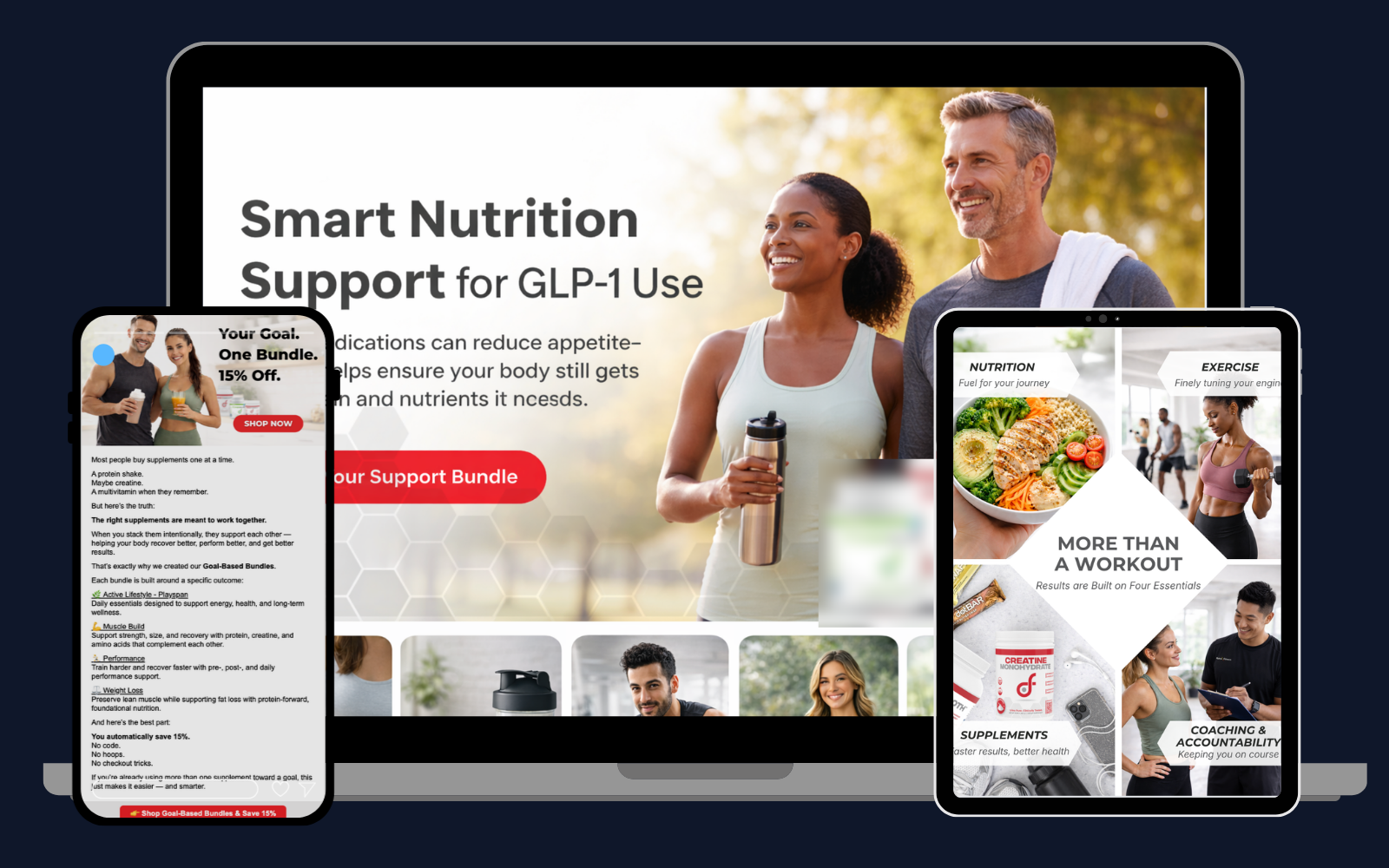
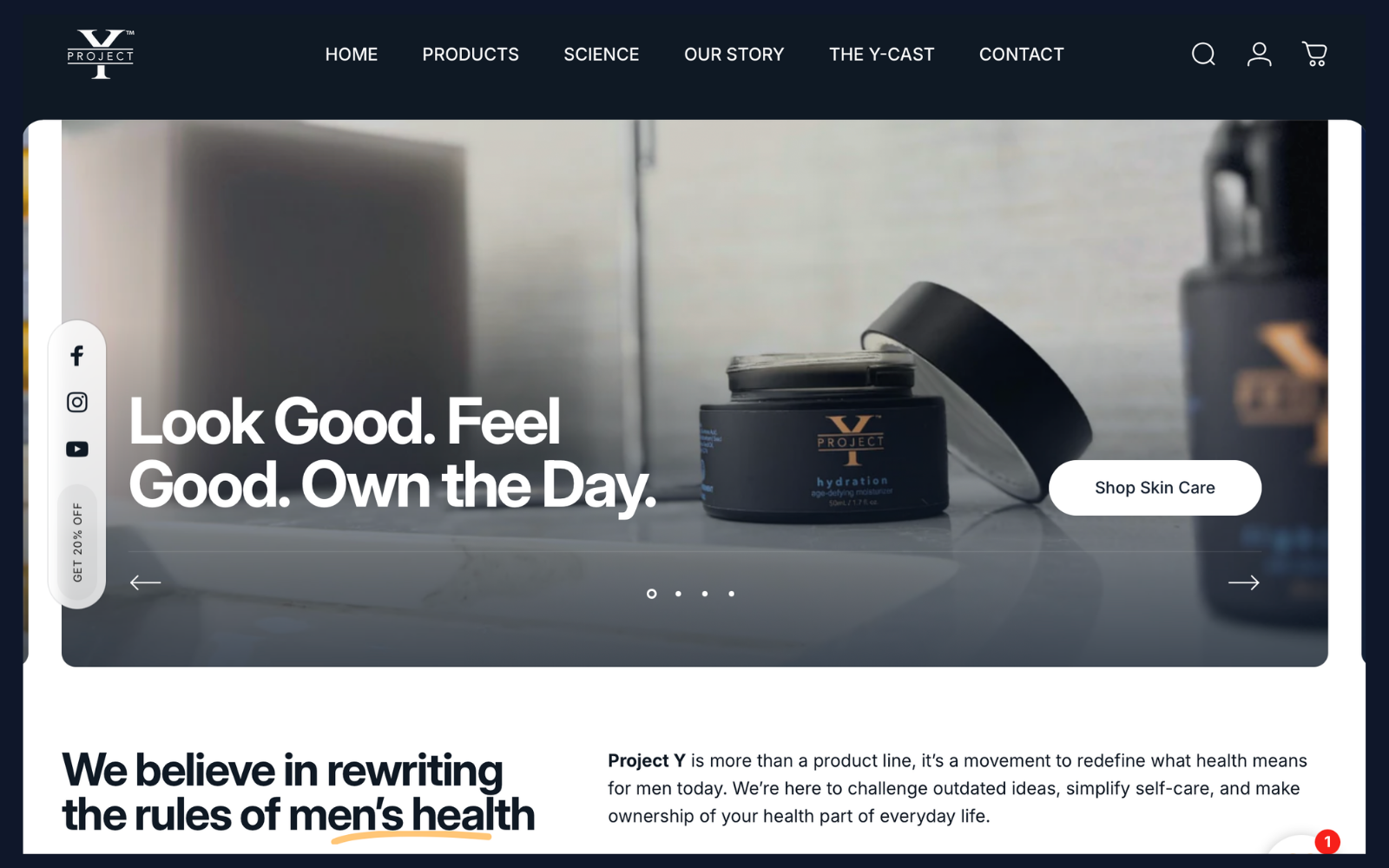
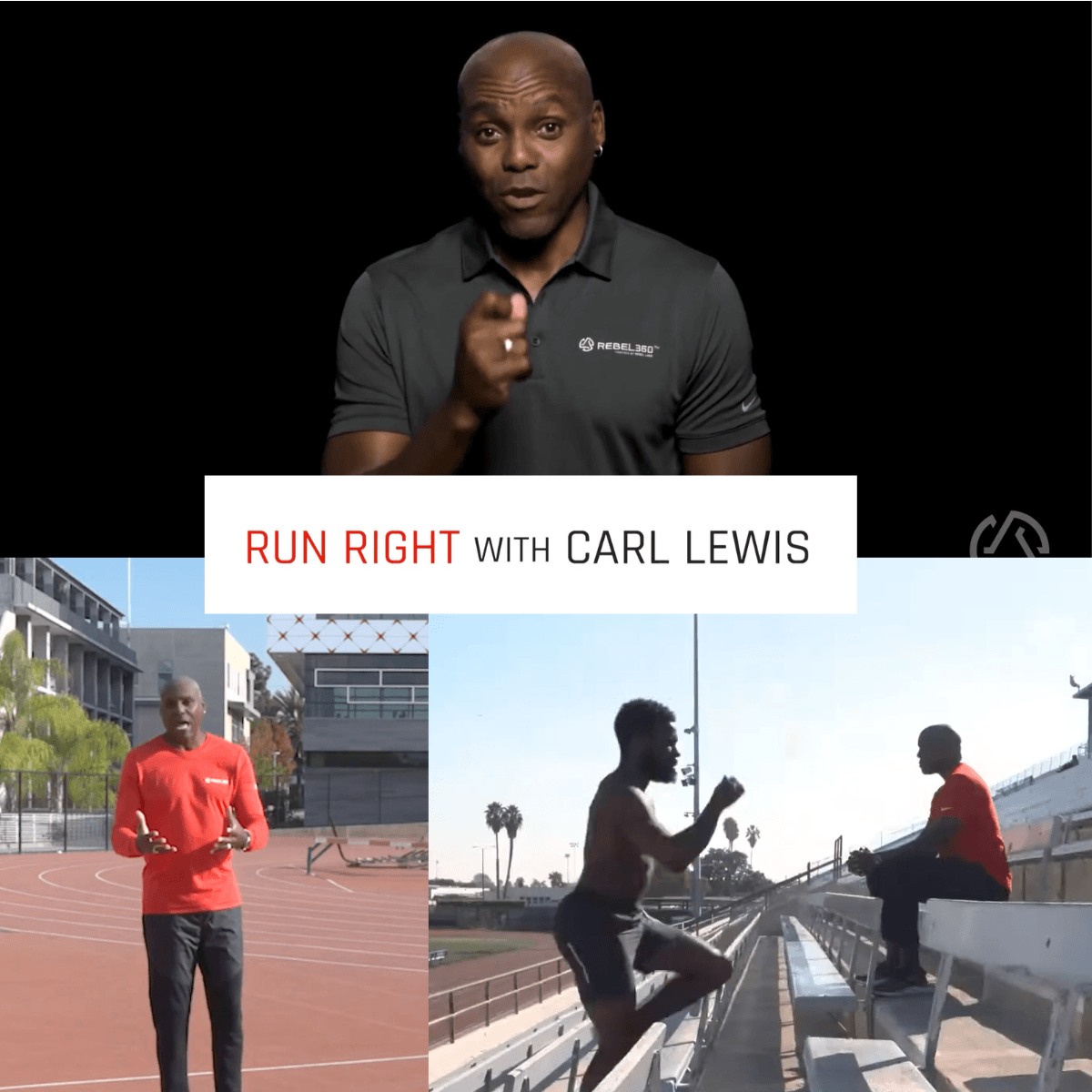
More video + creative work
A curated selection of recent and past work across video, marketing, education and brand projects.
What I can help you build.
Strategy + Creative
Positioning, messaging, concepts and creative direction.
Video
Concept development, creative direction, production and post-production.
Digital Content
Courses, education, campaigns and content ecosystems.
Websites
Strategy, messaging, design and development.
WHAT CLIENTS SAY
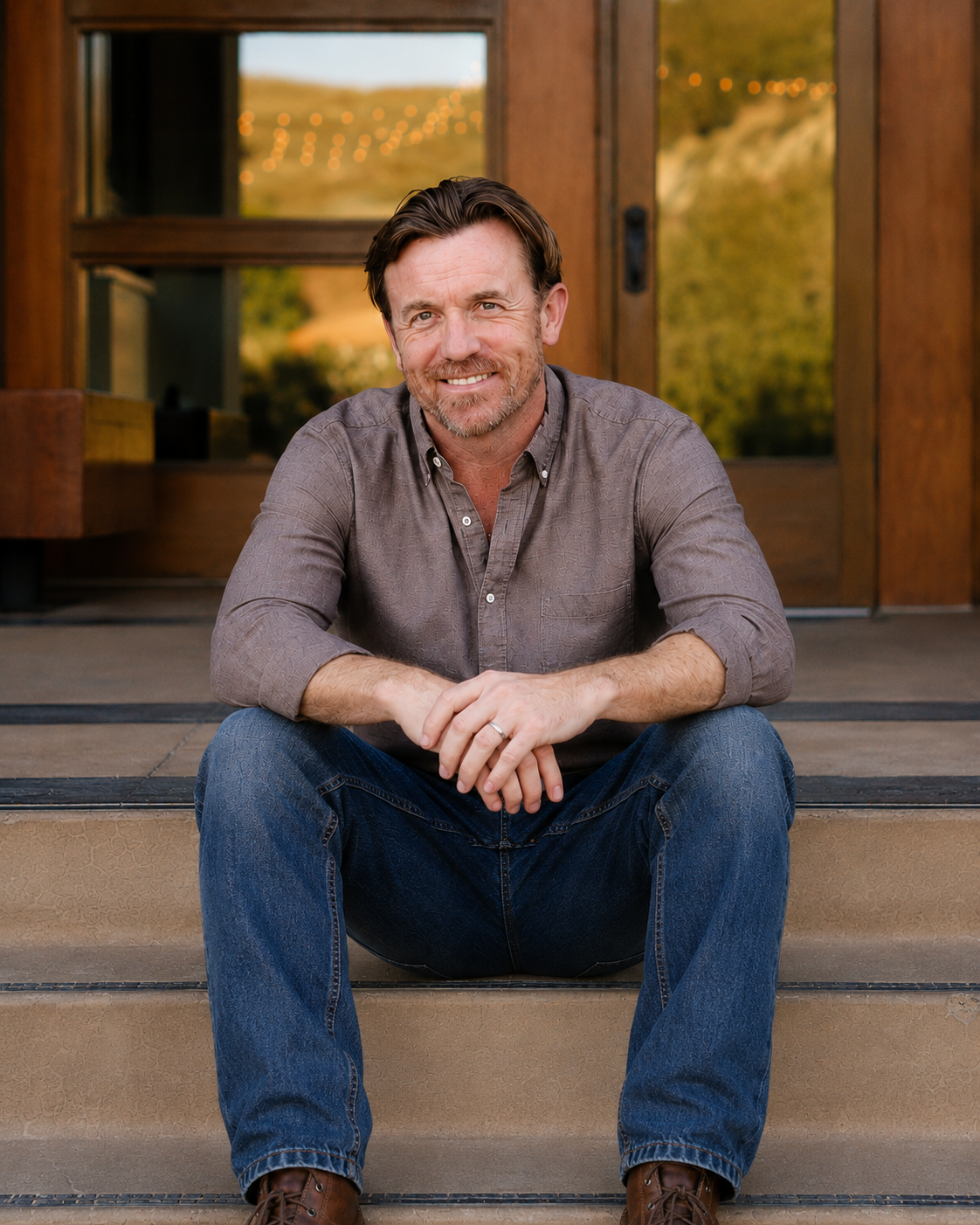
About Rick
Marketing first. A lot of tools after that.
I’ve spent decades working across marketing, product development, brand, education, advertising and content—much of it in fitness, wellness and consumer products.
I’ve led marketing and product work from inside companies, built education used across the fitness industry, worked with sales teams and retailers, produced content and campaigns, and taught business and marketing from the stage.
That mix is probably why I’m most comfortable when the assignment isn’t neatly defined yet.
Based in Southern California. MBA. Marketing leader, builder, occasional outside collaborator.
A few things I have my hands in.
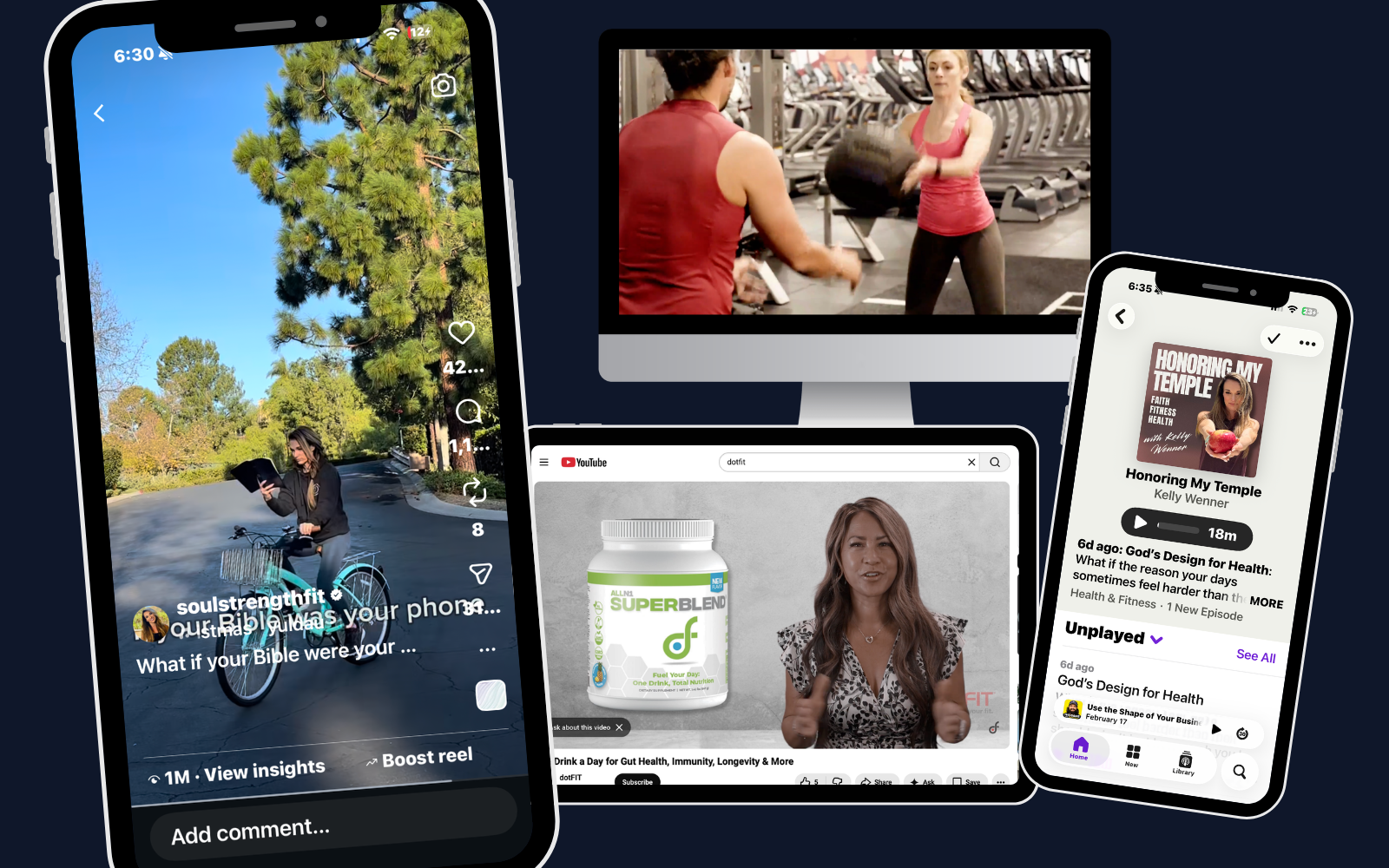
dotFIT
VP, Marketing & Communications. Leading marketing across a nutrition and supplement business built largely around partnerships with fitness organizations and professionals — spanning brand, digital, campaigns, education, product launches and a major website rebuild.
SoulStrength Fit
Co-Founder. Building a faith + fitness business across digital programs, memberships, publishing, content, advertising and ecommerce.
FitBiz Toolbox
Founder. Created business, sales and marketing education used across the fitness industry, including a one-page marketing strategy framework introduced to thousands of fitness professionals and businesses.
Kelly Wenner
Creative + marketing partner. Helping build the platform behind the books, podcast, digital products and content — alongside my favorite collaborator.
Work with me
Think I could be helpful?
I like interesting problems and good people. Every now and then, I take on a new project when both show up at the same time.
If you’re working on something substantial and think my mix of marketing, creative and execution could be useful, tell me about it.
Tell me what you’re working on