
Most People Never Finish What They Start – or Never Start
I went hiking today in Burbank between events at my daughter’s dance competition.
Pulled into a random trailhead with time to kill. Drank some water before I started. Left the bottle in the car.
The trail was steeper than I expected. Half a mile in I stopped at a junction and asked another hiker which way to go and how long it was. He pointed up. Told me it was another mile, all steep, goes all the way up to the antenna.
I said great, thanked him, turned around and started walking.
He called after me. Don’t you have any water?
No. Drank some before. More in the car when I get back.
It was 80 degrees.
He just shook his head and watched me go.
Three or four times on the way up I almost turned around. The grade kept getting worse. I was running on whatever water I had before I started. Hadn’t eaten. The sun was doing its thing.
But I could see the antenna at the top the whole climb.
And I knew if I didn’t reach it I would be disappointed in myself.
So I kept going. And I got there.
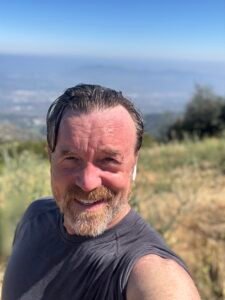
I have been thinking about that combination ever since. The whatever I’ll be fine that gets you on the trail in the first place. And the I will reach that antenna that gets you to the top once you are already in it.
Why Most People Never Finish What They Start
The Two Types of People Who Never Finish
Most business decisions look like one or the other.
There are the planners. They research everything before they start. They want the right conditions, the right timing, the right amount of water. They are not being lazy — they are being thorough. But thoroughness without action is just preparation that never becomes anything.
They are still at the trailhead. Hydrating. Checking the weather. Reading reviews of the trail they have not started yet.
Some never start because they are not sure they have enough water. Others turn back the second the climb gets steep.
Then there are the gunslingers. They start fast and with confidence. No plan, no preparation, no water. The energy is real. The intention is good. But the second the grade gets uncomfortable — the second the trail stops being what they expected — they rationalize turning back. They tell themselves they will come back better prepared. They usually do not come back.
Both types have something the other needs.
The planner needs the gunslinger’s willingness to start before everything is perfect.
The gunslinger needs the planner’s refusal to quit when conditions get hard.
What Actually Gets You to the Top
The antenna was visible the whole climb. That matters more than most people realize.
When you can see where you are going — when the destination is literal and visible and undeniable — the calculation changes. It is no longer about how you feel right now. It is about who you will be when you either reach it or do not.
That is hope operating as a motivator. Not optimism. Not positive thinking. A specific visible outcome that makes quitting more painful than continuing.
In business that antenna is your goal made specific and visible enough that turning back becomes genuinely uncomfortable. Not a vague intention. A specific destination you can see from wherever you are on the climb.
Most businesses never make the goal that specific. They leave the antenna off the mountain. And without it every difficult stretch becomes a reasonable place to stop.
The Discipline of Holding Both
The people who actually finish hard things are not the best planners or the most fearless starters.
They are the people who have learned to hold both instincts at the same time.
They start before they are fully ready — because waiting for perfect conditions is how good ideas die on the trailhead.
And they refuse to quit once they are in — because the discomfort of the climb is not a signal to stop. It is proof that you are actually climbing something worth finishing.
That combination is not a personality type. It is a skill. And like every skill it gets stronger the more you practice it.
I started that hike without enough water. I knew it before I started. I went anyway.
And I got to the antenna.
The hiker who shook his head at me was right to be concerned. He was also watching from the trailhead when I came back down.
The question worth sitting with:
Which one do you default to — the planner who never starts or the gunslinger who turns back when it gets steep?
And which one do you need more of right now?